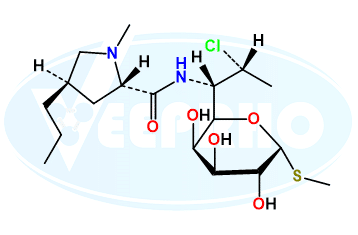
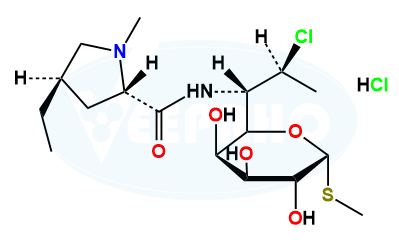
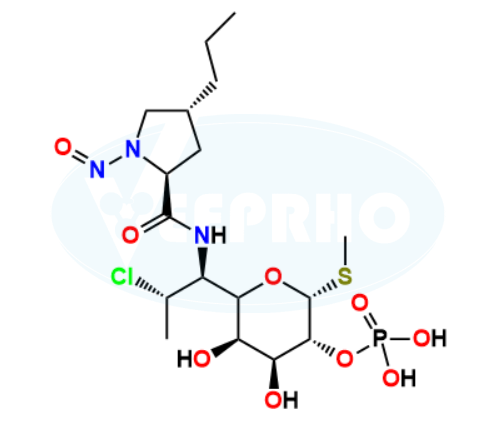
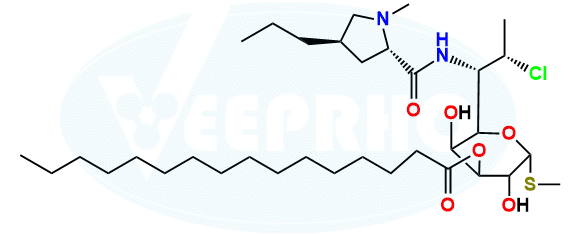
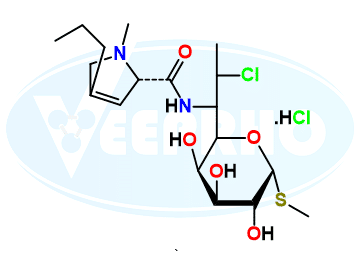
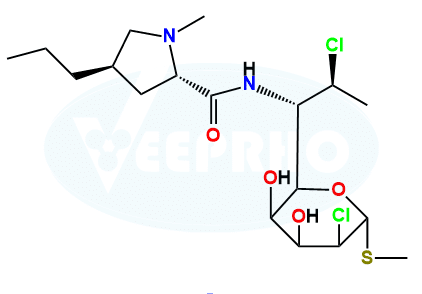
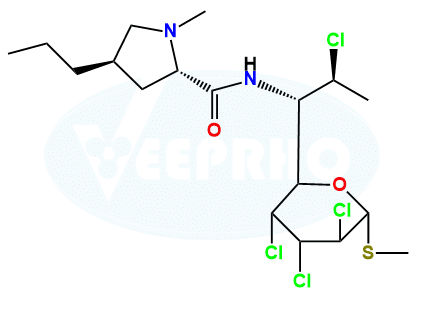
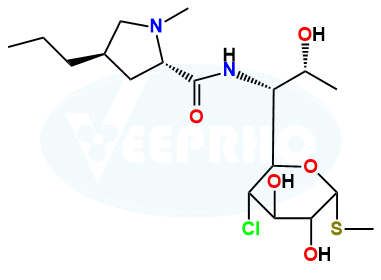
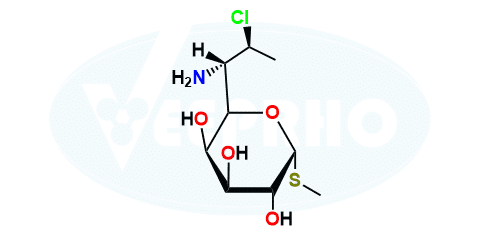
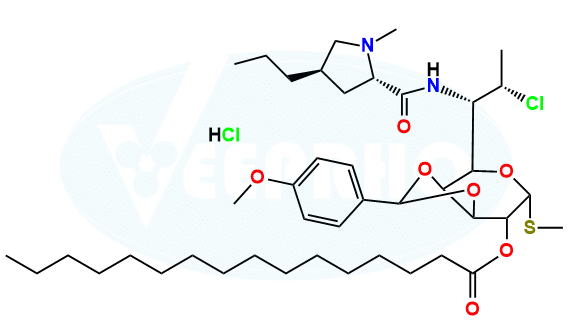
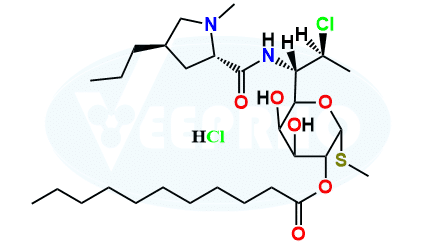
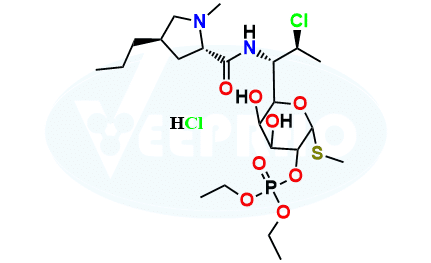
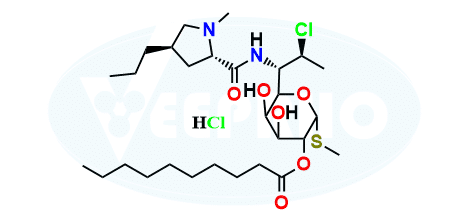
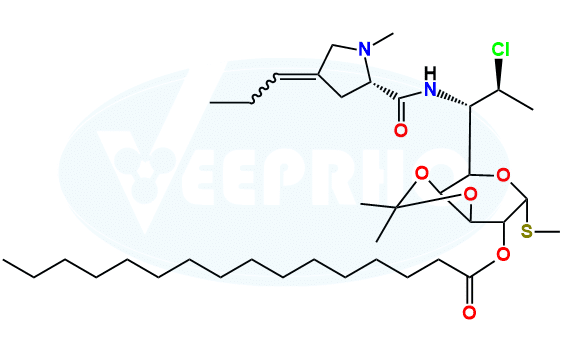
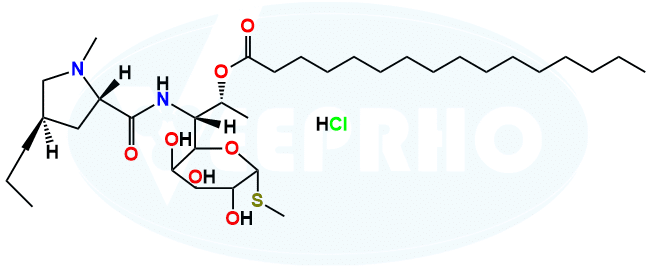
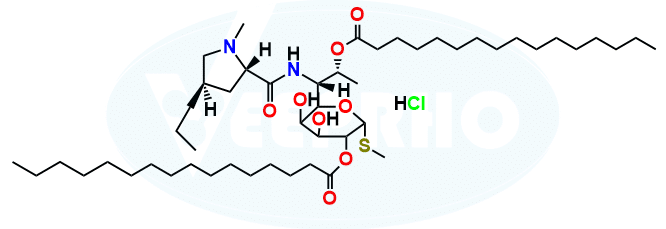
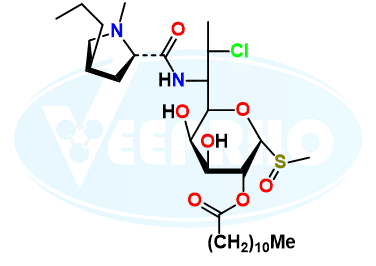
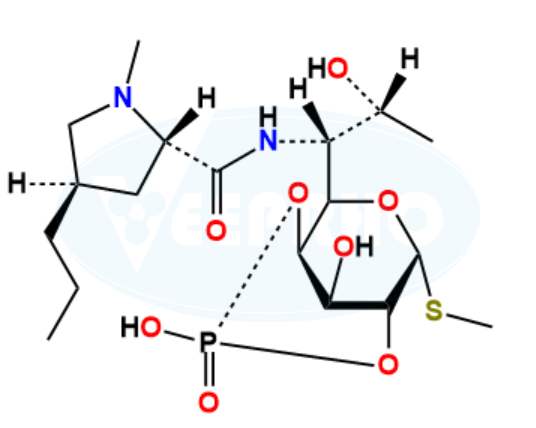
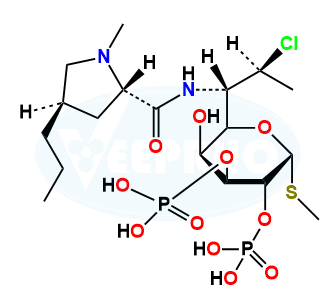
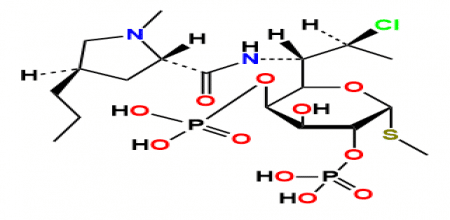
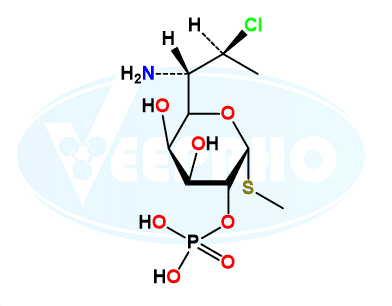
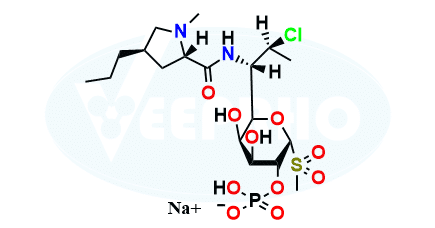
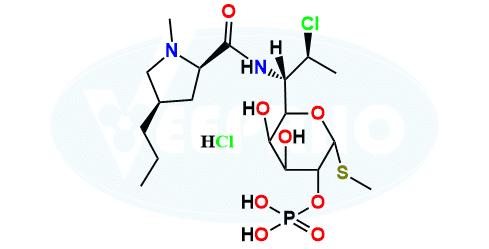
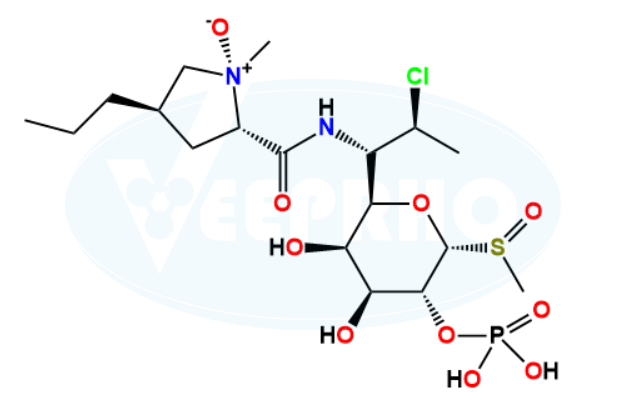
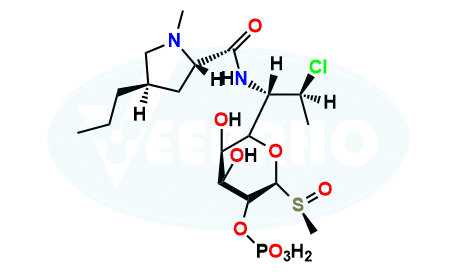
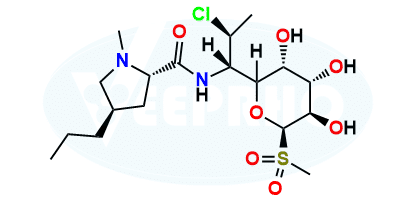
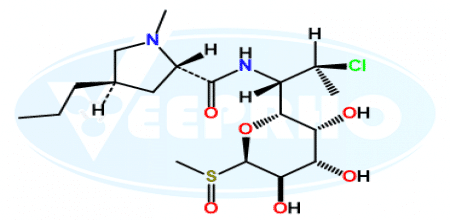
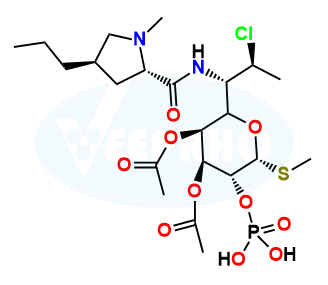
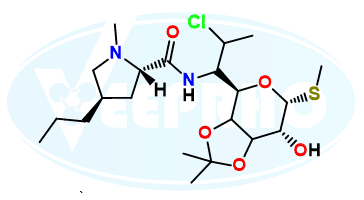
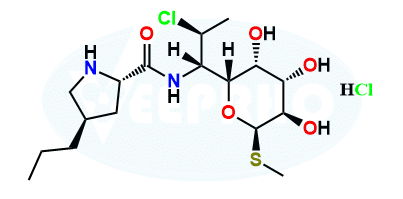
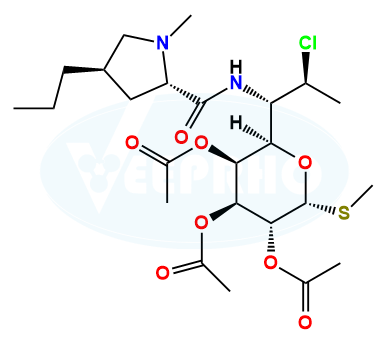
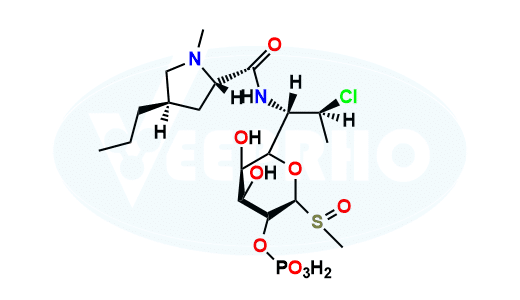
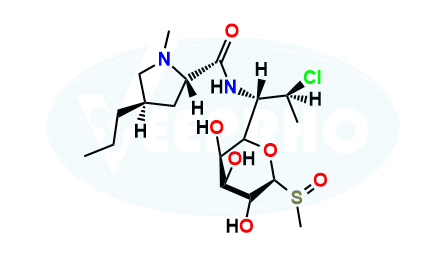
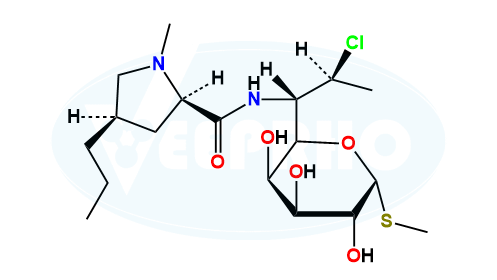
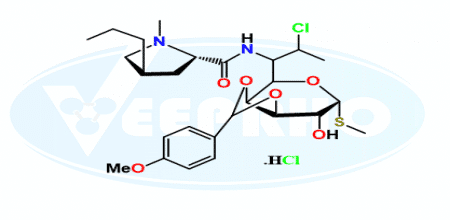
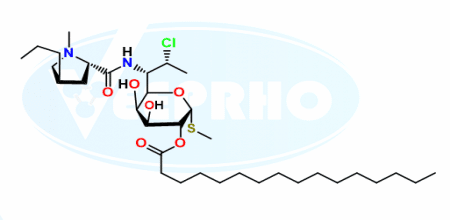
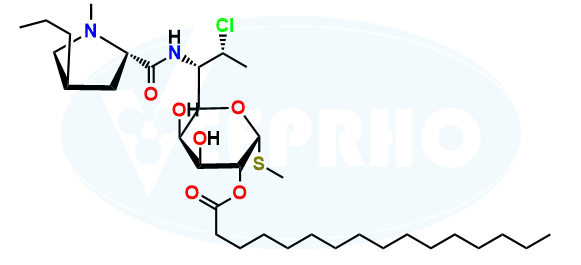
Clindamycin belongs to the family of medicines called antibiotics. Topical clindamycin is used to help control acne. It may be used alone or with one or more other medicines that are used on the skin or taken by mouth for acne. Mechanistically, clindamycin inhibits bacterial protein synthesis by binding to the 50S ribosomal subunit, producing a bacteriostatic effect against many Gram positive cocci and anaerobic bacteria including Cutibacterium acnes. Available as clindamycin phosphate for topical application and as clindamycin hydrochloride or clindamycin palmitate for systemic use, the drug shows good tissue penetration, hepatic metabolism to active and inactive metabolites, and an elimination half life typically in the range of about two to three hours in adults. Typical formulation and clinical considerations include stability of the phosphate ester in aqueous vehicles for topical gels, compatibility with benzoyl peroxide in combination products, and monitoring in patients with significant hepatic dysfunction or a history of antibiotic associated colitis.
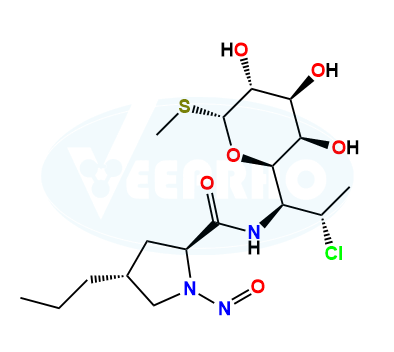
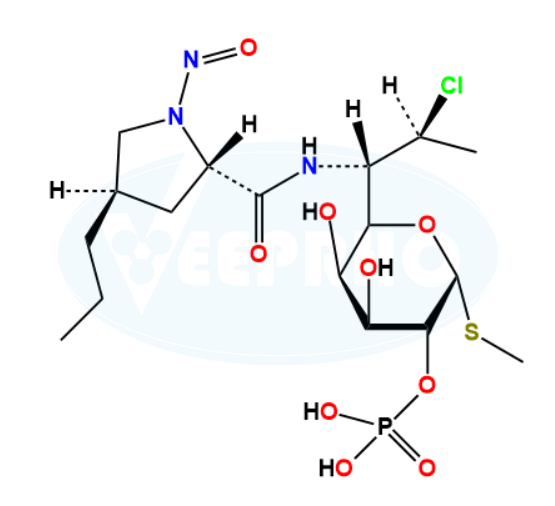
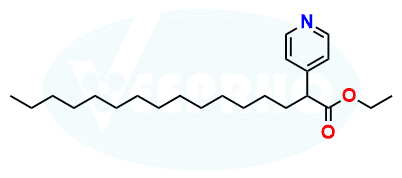
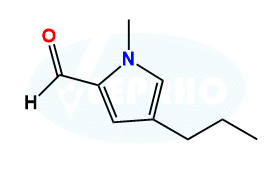
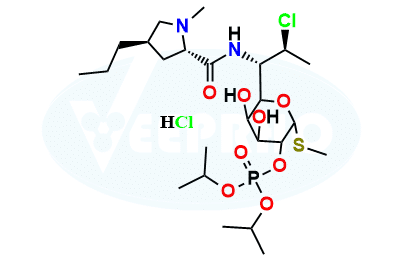
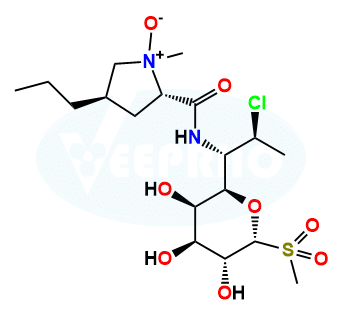
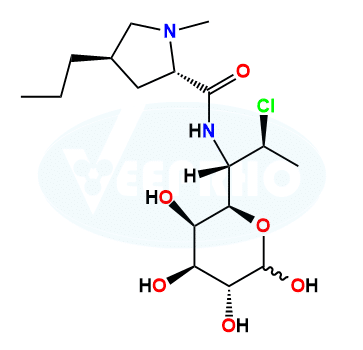
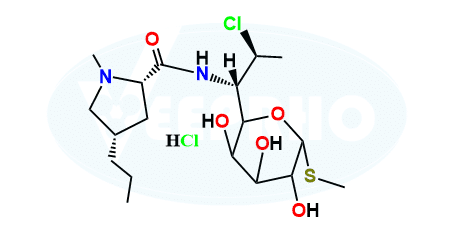
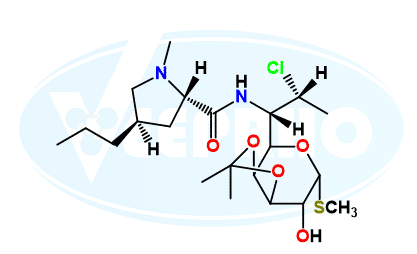
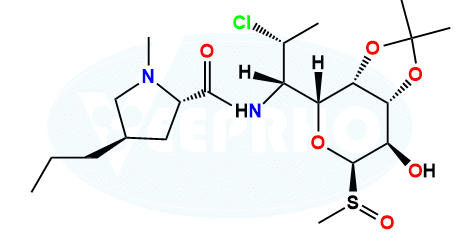
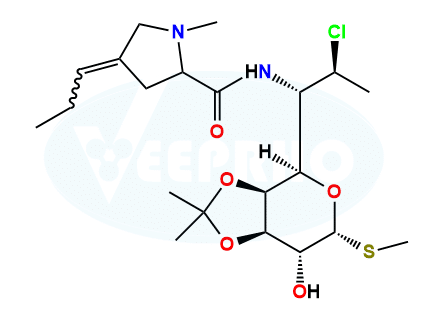
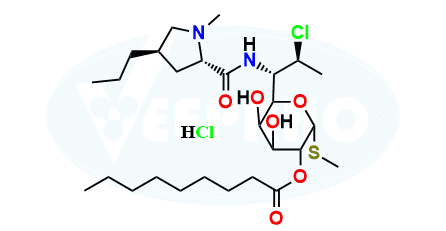
Manufacturers and pharmacopeial monographs address clindamycin related substances and impurities through validated analytical methods such as HPLC and LC MS; common controls specify assay and impurity thresholds rather than complete elimination. Typical specification ranges used in industry are assay acceptance near 98.0 to 102.0 percent of labeled potency, individual known related compounds often limited to 0.2 to 0.5 percent each, unspecified individual impurities limited to 0.1 to 0.2 percent, total impurities limited to about 1.0 to 2.0 percent, residual solvents controlled to ICH Q3C limits, and elemental impurities controlled per ICH Q3D at parts per million levels. Exact impurity profiles depend on salt form and synthesis route and must be characterized, qualified, and justified in regulatory dossiers with identity, structure, and toxicity data for impurities above qualification thresholds.
よくある質問
What is clindamycin mainly used for?
Clindamycin is mainly used to treat or prevent infections caused by susceptible anaerobic bacteria and certain Gram positive organisms; topically it is commonly used for acne management while oral and parenteral forms treat skin, soft tissue, bone, and intra abdominal infections where indicated.
Is clindamycin safe while breastfeeding?
Clindamycin does pass into breast milk in low amounts; topical use leads to minimal systemic absorption and is generally considered compatible with breastfeeding, but systemic therapy should be discussed with a healthcare professional to weigh benefits and potential infant exposure monitoring.
Is clindamycin a macrolide?
Clindamycin is not a macrolide; it is a lincosamide antibiotic that shares a similar 50S ribosomal target with macrolides but differs in chemical class, spectrum, and resistance mechanisms.
Is clindamycin good for acne?
Topical clindamycin can be effective for inflammatory acne by reducing Cutibacterium acnes and associated inflammation; it is often used in combination with topical retinoids or benzoyl peroxide to improve efficacy and reduce bacterial resistance.