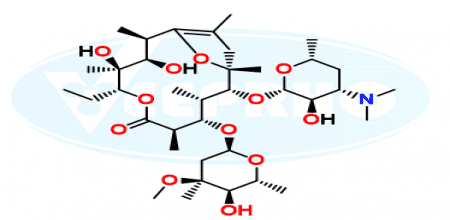
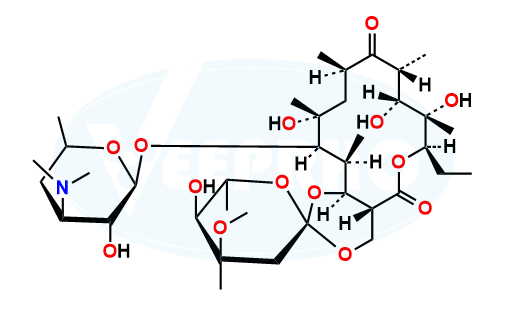
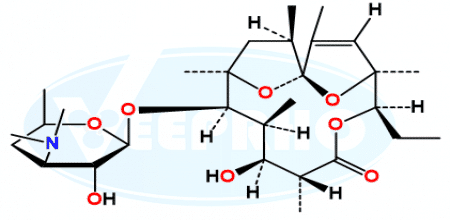
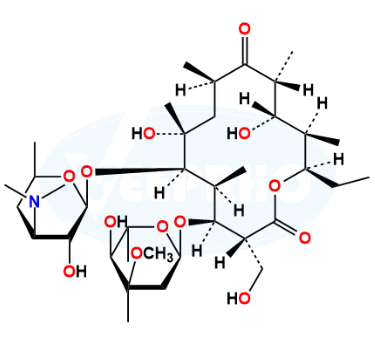
Erythromycin is a macrolide antibiotic used to treat various bacterial infections, particularly those affecting the respiratory tract. It is commonly prescribed for infections such as bronchitis, pneumonia, Legionnaires' disease (a severe lung infection), whooping cough (pertussis), and diphtheria (a serious infection that affects the throat and airway). Erythromycin works by inhibiting bacterial protein synthesis, preventing the growth and spread of bacteria. It is often used as an alternative to penicillin for individuals who are allergic to penicillin-based antibiotics.
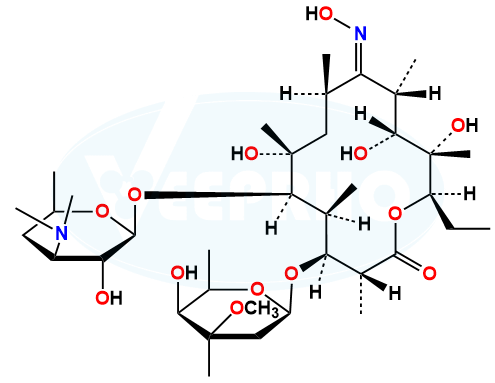
Parent: Clarithromycin/ Erythromycin/ Roxithromycin

Parent: Erythromycin

Parent: Erythromycin

Parent: Erythromycin

Parent: Erythromycin

Parent: Erythromycin

Parent: Erythromycin

Parent: Erythromycin

Parent: Erythromycin

Parent: Erythromycin

Parent: Erythromycin

Parent: Erythromycin

Parent: Erythromycin

Parent: Erythromycin

Parent: Erythromycin

Parent: Azithromycin / Erythromycin

Parent: Erythromycin

Parent: Erythromycin

Parent: Erythromycin
During the production and storage of erythromycin, impurities can develop that must be carefully monitored to ensure the medication’s safety and efficacy. Regulatory agencies, such as the U.S. Food and Drug Administration (FDA) and the European Medicines Agency (EMA), provide strict guidelines for permissible impurity levels in pharmaceutical products.
Erythromycin is used to treat bacterial infections of the respiratory tract, including bronchitis, pneumonia, Legionnaires’ disease, and whooping cough (pertussis). It is also prescribed to treat diphtheria and certain skin infections. Erythromycin is often used as an alternative for patients who are allergic to penicillin.
Erythromycin belongs to the macrolide class of antibiotics. Macrolides inhibit bacterial protein synthesis, which stops bacterial growth and replication. Other macrolide antibiotics include azithromycin and clarithromycin.
No, erythromycin is not a penicillin antibiotic. It is part of the macrolide class and is often used as an alternative for patients allergic to penicillin. Erythromycin works differently from penicillin and is used to treat a variety of bacterial infections.
No, erythromycin is not an aminoglycoside. Aminoglycosides, such as gentamicin and tobramycin, are a different class of antibiotics. Erythromycin is a macrolide, which works through a different mechanism to inhibit bacterial protein synthesis.