Cephalexin is an antibiotic in the cephalosporin class, commonly used to treat infections caused by bacteria, including ear infections, skin infections, and urinary tract infections (UTIs). It is also effective against respiratory tract infections and bone infections. Cephalexin works by disrupting the synthesis of the bacterial cell wall, which leads to the death of the bacteria. This antibiotic is available in both tablet and liquid forms and is marketed under brand names such as Keflex.

Parent: Cephalexin
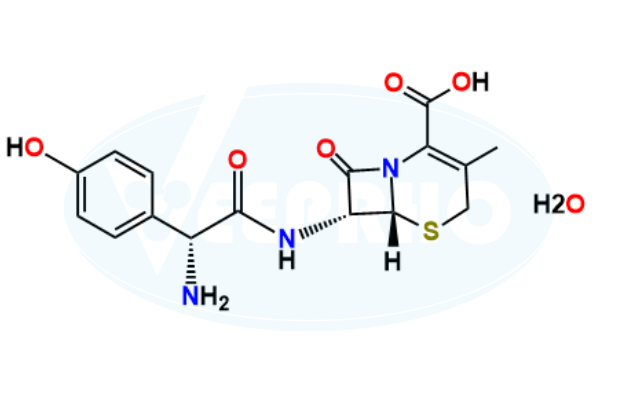
Parent: Cephalexin / Cephalexin Monohydrate
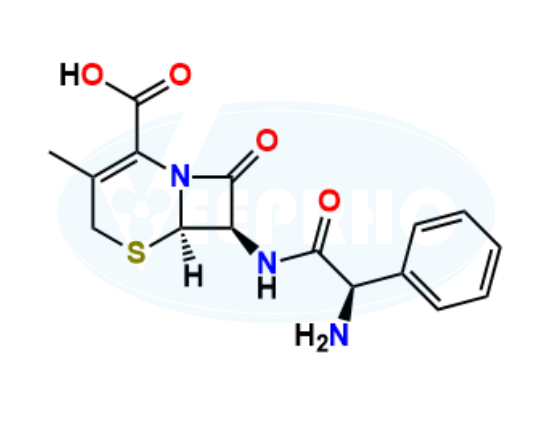
Parent: Cephalexin
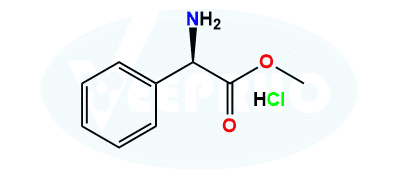
Parent: Cephalexin

Parent: Cephalexin
![(6R,7R)-7-((R)-2-((R)-2-((R)-2-amino-2-phenylacetamido)-2-phenylacetamido)-2-phenylacetamido)-3-methyl-8-oxo-5-thia-1-azabicyclo[4.2.0]oct-2-ene-2-carboxylic acid](https://veeprho.com/wp-content/uploads/2023/10/VE0015811-6R7R-7-R-2-R-2-R-2-amino-2-phenylacetamido-2-phenylacetamido-2-phenylacetamido-3-methyl-8-oxo-5-thia-1-azabicyclo4.2.0oct-2-ene-2-carboxylic-acid.png "(6R,7R)-7-((R)-2-((R)-2-((R)-2-amino-2-phenylacetamido)-2-phenylacetamido)-2-phenylacetamido)-3-methyl-8-oxo-5-thia-1-azabicyclo[4.2.0]oct-2-ene-2-carboxylic acid")
Parent: Cephalexin
During the production and storage of cephalexin, impurities can develop that must be carefully monitored to ensure the medication’s safety and efficacy. Regulatory agencies such as the U.S. Food and Drug Administration (FDA) and the European Medicines Agency (EMA) provide strict guidelines for permissible impurity levels in pharmaceutical products to ensure patient safety.
Cephalexin is primarily used to treat bacterial infections such as ear infections, skin infections, urinary tract infections (UTIs), respiratory tract infections, and bone infections. It is effective against a broad range of bacteria and is commonly prescribed to treat mild to moderate infections.
Cephalexin is primarily used to treat bacterial infections such as ear infections, skin infections, urinary tract infections (UTIs), respiratory tract infections, and bone infections. It is effective against a broad range of bacteria and is commonly prescribed to treat mild to moderate infections.
Cephalexin is used to treat bacterial infections, including ear infections, skin and soft tissue infections, urinary tract infections, respiratory infections, and bone infections. It is often chosen for patients who are allergic to penicillin or for treating infections caused by bacteria that are resistant to other antibiotics.
No, cephalexin is not a fluoroquinolone. It belongs to the cephalosporin class of antibiotics, which differs from fluoroquinolones in terms of structure, mechanism of action, and spectrum of bacterial coverage. Fluoroquinolones, such as ciprofloxacin, work by inhibiting bacterial DNA synthesis, while cephalosporins like cephalexin inhibit cell wall synthesis.


