
- 100% accuracy of data
- 24/7 scientific support
- 0% tolerance in quality of product
Mutagenicity assessment (ICH M7)
Treated as a potentially non-mutagenic impurity (ICH M7 Class 4–5).
Computational (in silico) assessmentStock Locations
- New Jersey, USA
- Czech Republic, EUIn stock
* Stock subject to availability.
Documentation
Includes: HPLC, MASS/LC-MS, 1H NMR, FT-IR, Potency, Structure Elucidation Report (SER), and additional analytical data depending on the product.
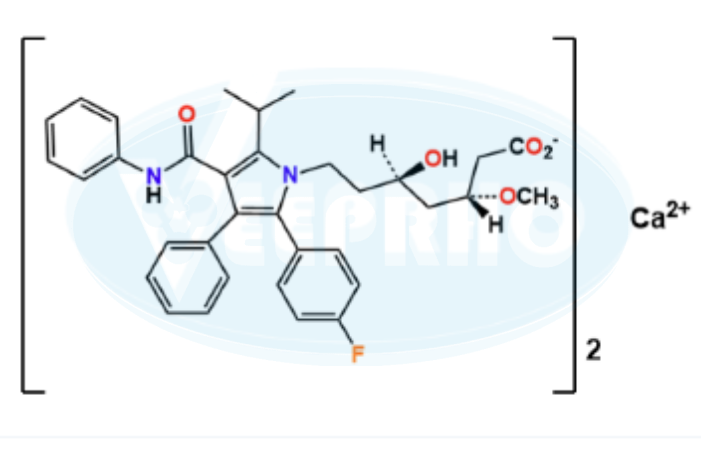
887196-29-4
Atorvastatin EP Impurity G
● In Stock
| Catalogue No.: | VL10010 |
|---|---|
| CAS No.: | 887196-29-4 |
| Mol. Formula: | C68H72CaF2N4O10 (Salt); C34H36FN2O5 (Free Base) |
| Mol. Weight: | 1183.39 g/mol (Salt); 571.65 g/mol (Free Base) |
For laboratory use only: analytical, development and regulatory purposes. Supplied in mg quantities. Not for human or veterinary use.
Request a quote for a set
- Request quote for this set
All EP impurities of Atorvastatin
28 productsSee the 28 products
- Atorvastatin EP Impurity A VE008745
CAS 433289-84-0 - Atorvastatin EP Impurity A (Ca salt) VL10004
CAS 433289-83-9 - Atorvastatin EP Impurity B (Free Base) VE009319
CAS 842103-12-2 - Atorvastatin EP Impurity C VE008906
CAS 693794-20-6 - Atorvastatin EP Impurity C (Na Salt) VE0012975
CAS 1807481-00-0 - Atorvastatin EP Impurity D (Impurity D1) VL10003
CAS 148146-51-4 - Atorvastatin EP Impurity E (Ca Salt) VL10006
CAS 1105067-88-6 - Atorvastatin EP Impurity E (Free Base) VE0012984
CAS 501121-34-2 - Atorvastatin EP Impurity E (Na Salt) VE009244
CAS 1428118-38-0 - Atorvastatin EP Impurity F (Ca Salt) VL10011
CAS 1105067-87-5 - Atorvastatin EP Impurity F (Free Base) VE006369
CAS 887196-24-9 - Atorvastatin EP Impurity F (sodium salt) VE006021
CAS 1371615-56-3 - Atorvastatin EP Impurity G VL10010
CAS 887196-29-4 - Atorvastatin EP Impurity G VE009827
CAS 887324-53-0 - Atorvastatin EP Impurity G VE0017910
- Atorvastatin EP Impurity H VL10002
CAS 125995-03-1 - Atorvastatin EP Impurity J VE008374
CAS 1105067-93-3 - Atorvastatin EP Impurity K VL10009
CAS 345891-62-5 - Atorvastatin EP Impurity N (Free Base) VL10013
CAS 134395-00-9 - Atorvastatin EP Impurity O (Free Base) VE009989
CAS 887196-30-7 - Atorvastatin EP Impurity O (Na Salt) VL10007
CAS 1391052-00-8 - Atorvastatin EP Impurity P (Free Base) VE006450
CAS 581772-29-4 - Atorvastatin Ethyl Ester VL10024
CAS 1146977-93-6 - Atorvastatin Pyrrolidone Analog (Free Base) VE006732
CAS 906552-18-9 - Atorvastatin Related Compound B VL10001
CAS 887196-25-0 - Atorvastatin Related Compound C (Ca Salt) VL10005
CAS 693793-53-2 - Atorvastatin Related Compound I VL10012
CAS 125971-95-1 - Atorvastatin Sodium Pyrrolidone Analog VL10019
CAS 148217-40-7
- Atorvastatin EP Impurity A VE008745
- Request quote for this set
All USP impurities of Atorvastatin
26 productsSee the 26 products
- Atorvastatin EP Impurity A VE008745
CAS 433289-84-0 - Atorvastatin EP Impurity A (Ca salt) VL10004
CAS 433289-83-9 - Atorvastatin EP Impurity C VE008906
CAS 693794-20-6 - Atorvastatin EP Impurity C (Na Salt) VE0012975
CAS 1807481-00-0 - Atorvastatin EP Impurity D (Impurity D1) VL10003
CAS 148146-51-4 - Atorvastatin EP Impurity E (Ca Salt) VL10006
CAS 1105067-88-6 - Atorvastatin EP Impurity E (Free Base) VE0012984
CAS 501121-34-2 - Atorvastatin EP Impurity E (Na Salt) VE009244
CAS 1428118-38-0 - Atorvastatin EP Impurity F (Ca Salt) VL10011
CAS 1105067-87-5 - Atorvastatin EP Impurity F (Free Base) VE006369
CAS 887196-24-9 - Atorvastatin EP Impurity F (sodium salt) VE006021
CAS 1371615-56-3 - Atorvastatin EP Impurity G VL10010
CAS 887196-29-4 - Atorvastatin EP Impurity G VE0017910
- Atorvastatin EP Impurity H VL10002
CAS 125995-03-1 - Atorvastatin EP Impurity J VE008374
CAS 1105067-93-3 - Atorvastatin EP Impurity K VL10009
CAS 345891-62-5 - Atorvastatin EP Impurity N (Free Base) VL10013
CAS 134395-00-9 - Atorvastatin Epoxy Tetrahydrofuran Analog VL10030
CAS 873950-19-7 - Atorvastatin Ethyl Ester VL10024
CAS 1146977-93-6 - Atorvastatin FX1 Impurity VE008426
CAS 873950-18-6 - Atorvastatin FX1 Impurity (Na Salt) VL10021
CAS 1315629-79-8 - Atorvastatin Pyrrolidone Analog (Free Base) VE006732
CAS 906552-18-9 - Atorvastatin Related Compound B VL10001
CAS 887196-25-0 - Atorvastatin Related Compound C (Ca Salt) VL10005
CAS 693793-53-2 - Atorvastatin Related Compound I VL10012
CAS 125971-95-1 - Atorvastatin Sodium Pyrrolidone Analog VL10019
CAS 148217-40-7
- Atorvastatin EP Impurity A VE008745


Additional information on CAS 887196-29-4
| Parent drug | Atorvastatin |
|---|---|
| Product type | Impurity standards |
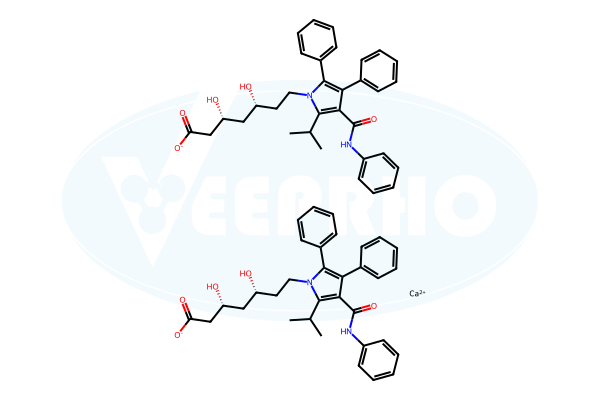
| IUPAC name | (3R,5R)-7-[2-(4-fIuorophenyI)-3-phenyI-4-(phenyIcarbamoyI)-5-(propan-2-yI)-1H-pyrroI-1-yI]-5-hydroxy-3- methoxyheptanoic acid Calcium Salt |
| EP name | Atorvastatin EP Impurity G; 3-O-Methylatorvastatin |
| USP name | Atorvastatin Related Compound G |
| SMILES | CO[C@H](CC(=O)[O-])C[C@H](O)CCn1c(-c2ccc(F)cc2)c(-c2ccccc2)c(C(=O)Nc2ccccc2)c1C(C)C.CO[C@H](CC(=O)[O-])C[C@H](O)CCn1c(-c2ccc(F)cc2)c(-c2ccccc2)c(C(=O)Nc2ccccc2)c1C(C)C.[Ca+2] |
| InChIKey | WSJYEDNFTDTVCI-KYDAQBLCSA-L |
| References | - |
| Description | Atorvastatin EP Impurity G, also designated 3-O-Methylatorvastatin or Atorvastatin Related Compound G, is the calcium salt form of an O-methylated atorvastatin analogue, CAS 887196-29-4. Its composition is C68H72CaF2N4O10 for the salt and C34H37FN2O5 for the free base, with molecular weights of 1183.39 g/mol and 572.50 g/mol, respectively. The impurity is typically associated with incomplete deprotection or methyl-transfer side reactions during synthesis, rather than hydrolytic degradation. Structural elucidation and trace-level measurement generally require LC-MS/MS, high-resolution LC-MS, and orthogonal HPLC-UV methods. In pharmacopoeial and regulatory settings, it is monitored as a related substance to define process consistency and impurity profiles. |
Request a Quote
"*" indicates required fields
Other products related to Atorvastatin impurities
| Impurity structure | Name of Impurity | Catalogue No. |
|---|---|---|
| Atorvastatin EP Impurity A | VE008745 | |
| Atorvastatin EP Impurity A (Ca salt) | VL10004 | |
 | Atorvastatin EP Impurity A (Na Salt) | VE0020562 |
| Atorvastatin EP Impurity B (Free Base) | VE009319 | |
| Atorvastatin EP Impurity C | VE008906 | |
 | Atorvastatin EP Impurity C (Na Salt) | VE0012975 |
| Atorvastatin EP Impurity D (Impurity D1) | VL10003 | |
 | Atorvastatin EP Impurity D (Mixture of D1 & D2) | VE0022694 |
| Atorvastatin EP Impurity E (Ca Salt) | VL10006 | |
| Atorvastatin EP Impurity E (Free Base) | VE0012984 | |
| Atorvastatin EP Impurity E (Na Salt) | VE009244 | |
| Atorvastatin EP Impurity F (Ca Salt) | VL10011 |
Show all related products N-Nitroso Atorvastatin impurities (14)