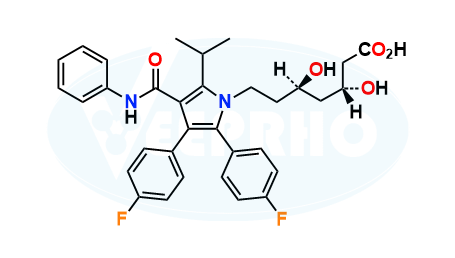
Atorvastatin, often sold under popular brand names like Lipitor, is a widely prescribed statin medication designed to lower cholesterol levels and reduce the risk of serious cardiovascular events such as heart attacks and strokes. This medication works by blocking HMG-CoA reductase, an enzyme responsible for cholesterol production in the liver. By reducing harmful low-density lipoprotein (LDL) cholesterol and increasing beneficial high-density lipoprotein (HDL) cholesterol, atorvastatin helps manage cardiovascular risk effectively.
Atorvastatin is typically taken as an oral tablet and is most effective when combined with healthy lifestyle choices, including a balanced diet and regular exercise. Its role in long-term cardiovascular health makes it a cornerstone in managing high cholesterol and preventing heart-related complications.

Parent: Atorvastatin

Parent: Atorvastatin

Parent: Atorvastatin

Parent: Atorvastatin

Parent: Atorvastatin

Parent: Atorvastatin

Parent: Atorvastatin

Parent: Atorvastatin

Parent: Atorvastatin

Parent: Atorvastatin

Parent: Atorvastatin

Parent: Atorvastatin

Parent: Atorvastatin

Parent: Atorvastatin

Parent: Atorvastatin

Parent: Atorvastatin

Parent: Atorvastatin

Parent: Atorvastatin / Atorvastatin Calcium

Parent: Atorvastatin

Parent: Atorvastatin
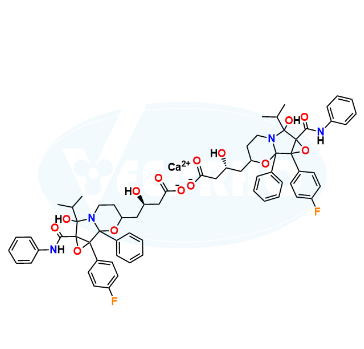
Parent: Atorvastatin

Parent: Atorvastatin

Parent: Atorvastatin

Parent: Atorvastatin

Parent: Atorvastatin

Parent: Atorvastatin

Parent: Atorvastatin

Parent: Atorvastatin

Parent: Atorvastatin

Parent: Atorvastatin

Parent: Atorvastatin

Parent: Atorvastatin

Parent: Atorvastatin

Parent: Atorvastatin

Parent: Atorvastatin
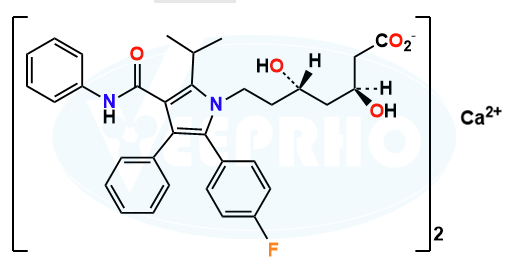
Parent: Atorvastatin

Parent: Atorvastatin

Parent: Atorvastatin

Parent: Atorvastatin

Parent: Atorvastatin

Parent: Atorvastatin
The production and storage of atorvastatin can result in the formation of impurities, which must be carefully monitored to maintain the medication’s safety and efficacy. Regulatory authorities, such as the U.S. FDA and EMA, have established strict guidelines for impurity levels to ensure patient safety and product quality.
Types of Impurities in Atorvastatin
Related Substances
During the manufacturing process, substances chemically related to atorvastatin may be produced as byproducts. These impurities can impact the drug’s purity and effectiveness, requiring strict monitoring and control to maintain high safety standards.
Degradation Products
Over time, atorvastatin can break down into degradation products due to exposure to environmental factors such as light, heat, and moisture. These degradation products may affect the drug’s potency and safety, making stability testing crucial during production and storage.
Residual Solvents
Small amounts of solvents used during the manufacturing process can remain in the final product. To ensure patient safety, permissible levels for these solvents are tightly regulated by international guidelines.
Ensuring Quality and Safety
Advanced analytical techniques, including High-Performance Liquid Chromatography (HPLC) and Mass Spectrometry (LC-MS), are employed to detect and quantify impurities. These methods help ensure that atorvastatin meets stringent safety and quality requirements.
Patients taking atorvastatin should avoid grapefruit and grapefruit juice as they can interfere with the medication’s metabolism, increasing the risk of side effects like muscle pain and liver damage. Alcohol consumption should also be minimized to reduce the risk of liver-related complications. Certain medications, such as antifungal agents, macrolide antibiotics, and protease inhibitors, may interact with atorvastatin, potentially increasing side effects. Always consult your healthcare provider before starting any new medication or supplement.
To achieve the best results, patients should follow a cholesterol-lowering diet rich in fruits, vegetables, and whole grains. Regular liver function tests may be required to ensure the medication is not causing any adverse effects. Patients should watch for symptoms like unexplained muscle pain or weakness, which could indicate rare but serious side effects. It is essential to take atorvastatin as prescribed and avoid stopping the medication without consulting a doctor, as this could lead to increased cholesterol levels and higher cardiovascular risk.
Unlike some statins, atorvastatin does not need to be taken at night because of its long half-life. This allows it to maintain its cholesterol-lowering effects throughout the day, making it equally effective regardless of the time it is taken. In contrast, statins with shorter half-lives are often prescribed for nighttime use to coincide with the body’s peak cholesterol production.
Atorvastatin is usually started at a low dose, such as 10 mg or 20 mg daily, which can be adjusted based on cholesterol levels and treatment goals. The maximum daily dose is 80 mg. Patients should take atorvastatin once daily, ideally at the same time each day, with or without food. If a dose is missed, it should be taken as soon as remembered unless it is close to the ti